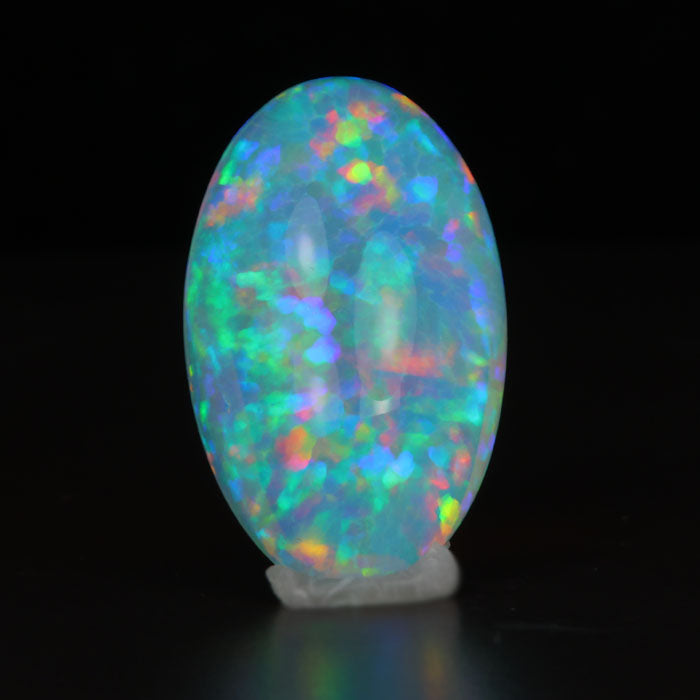
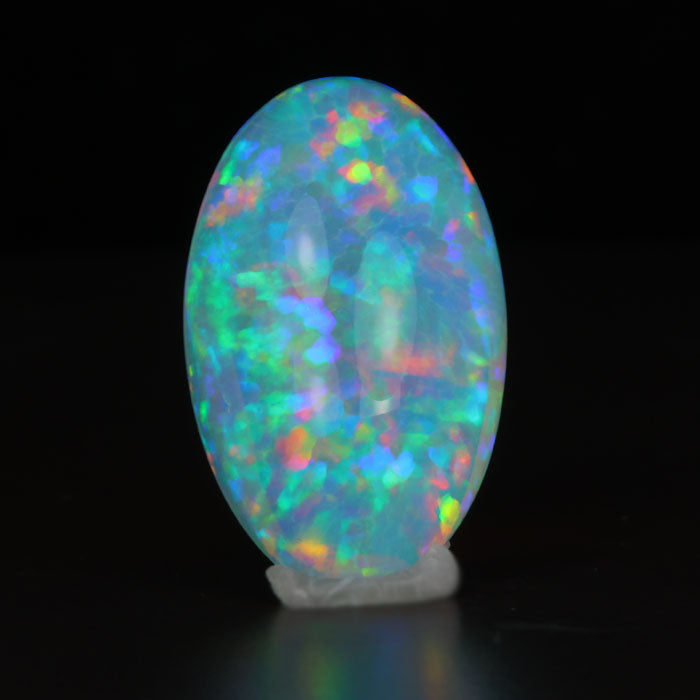
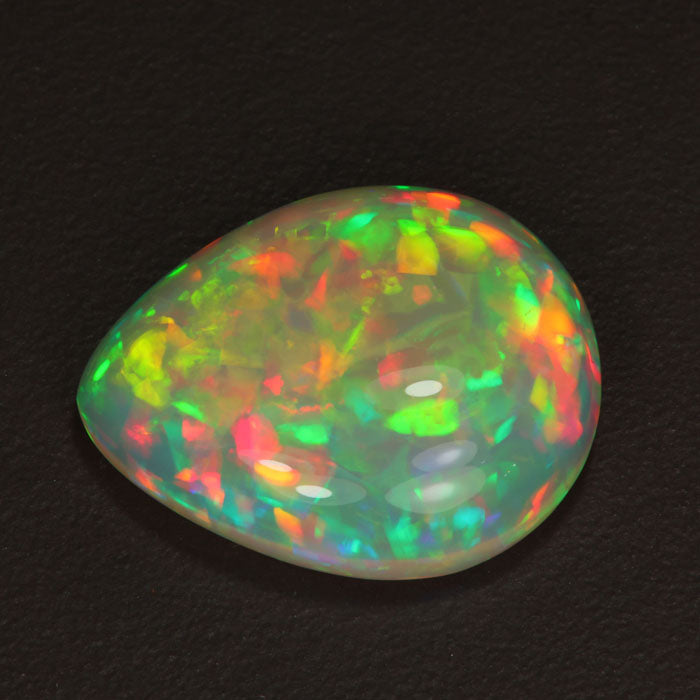
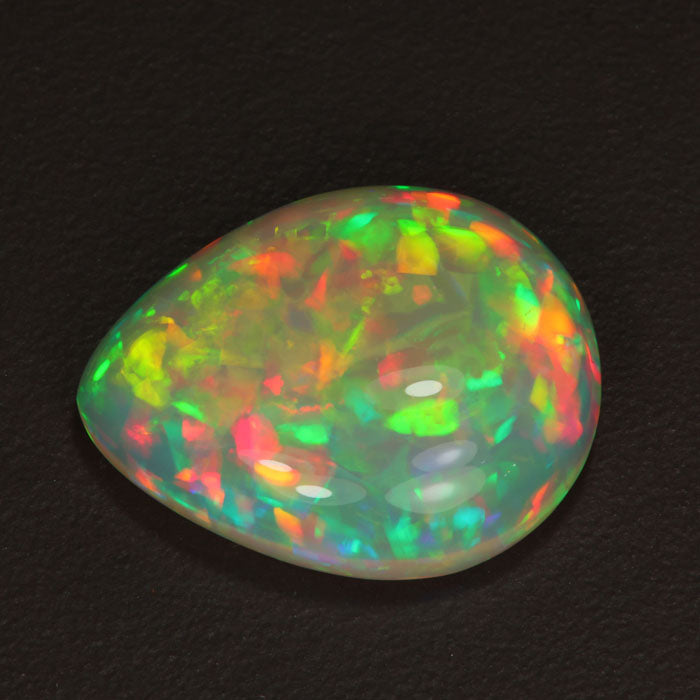
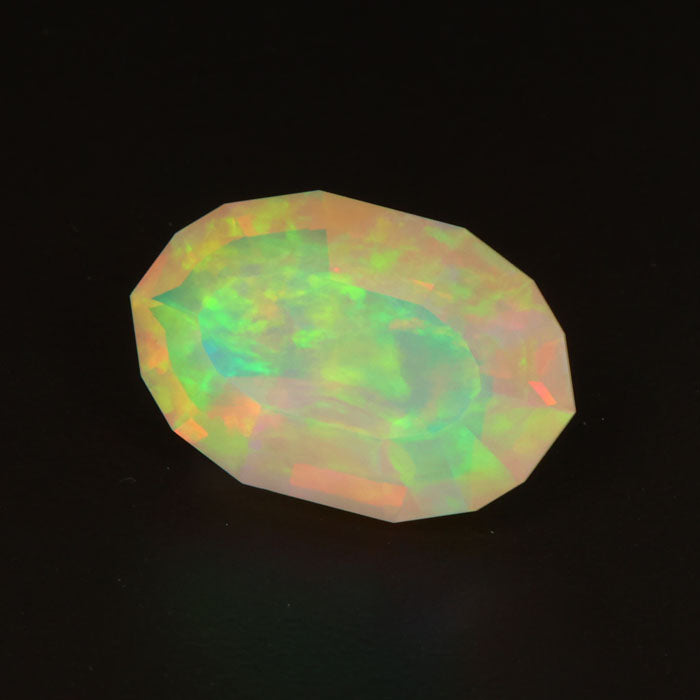
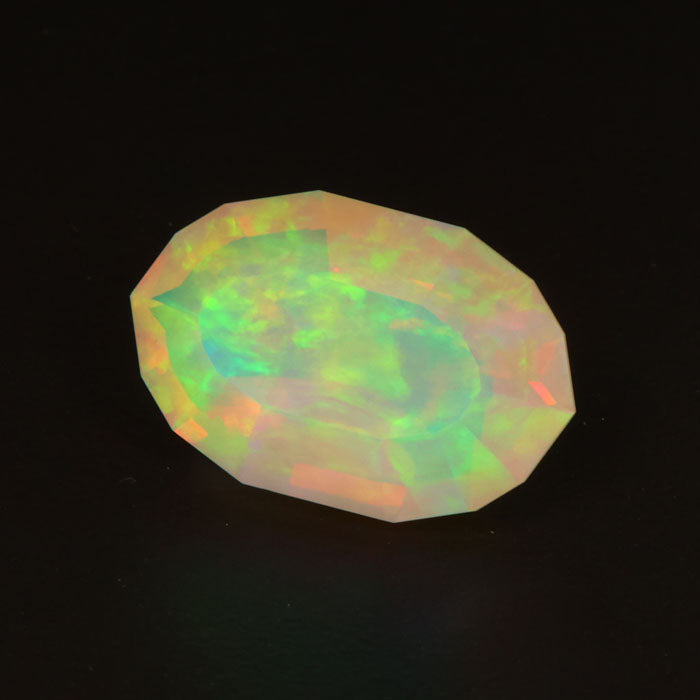
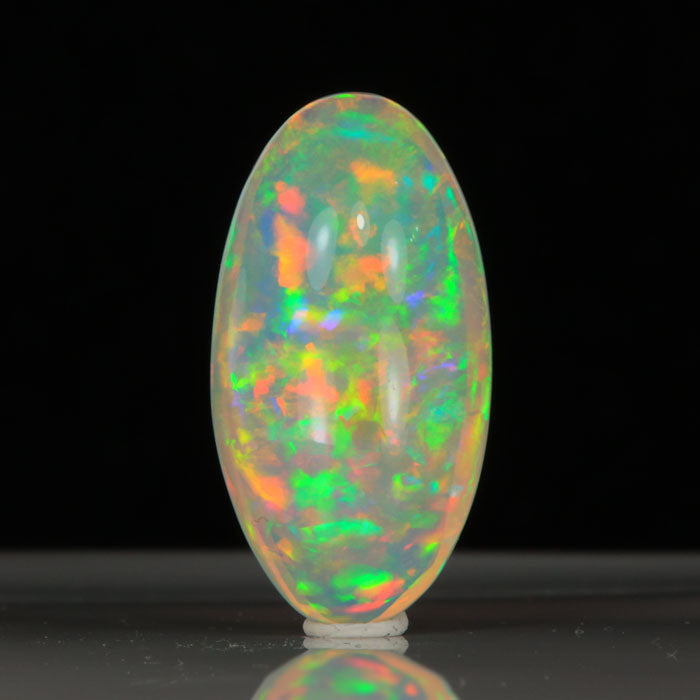
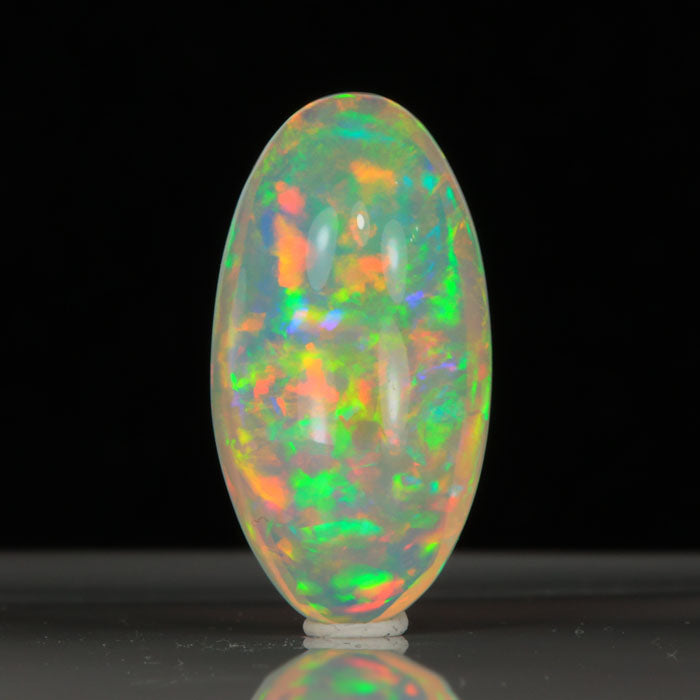
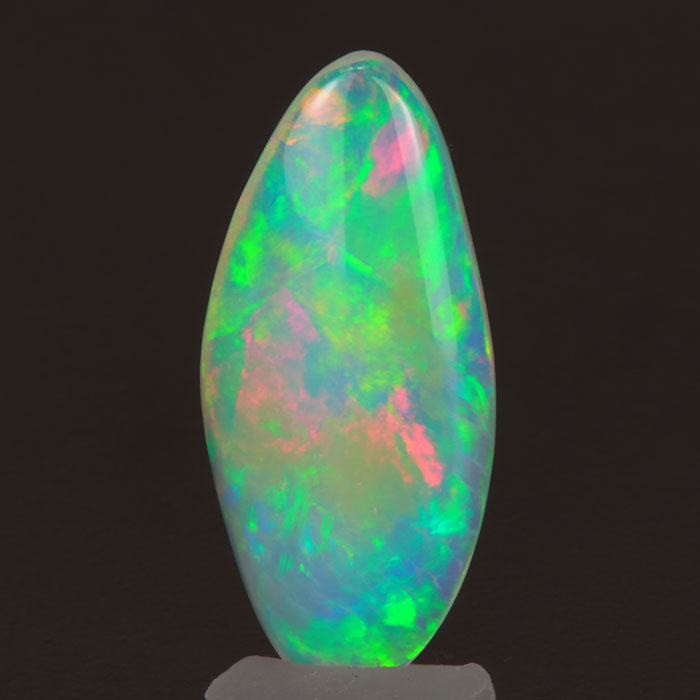
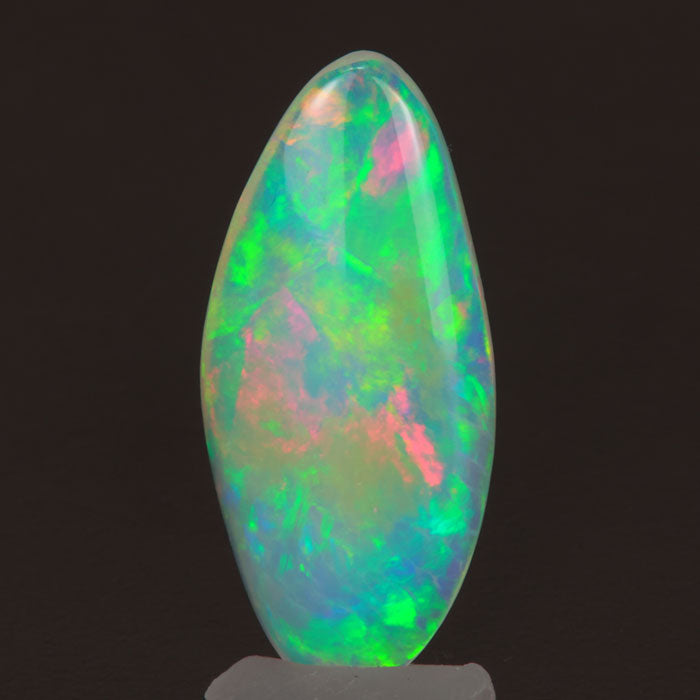
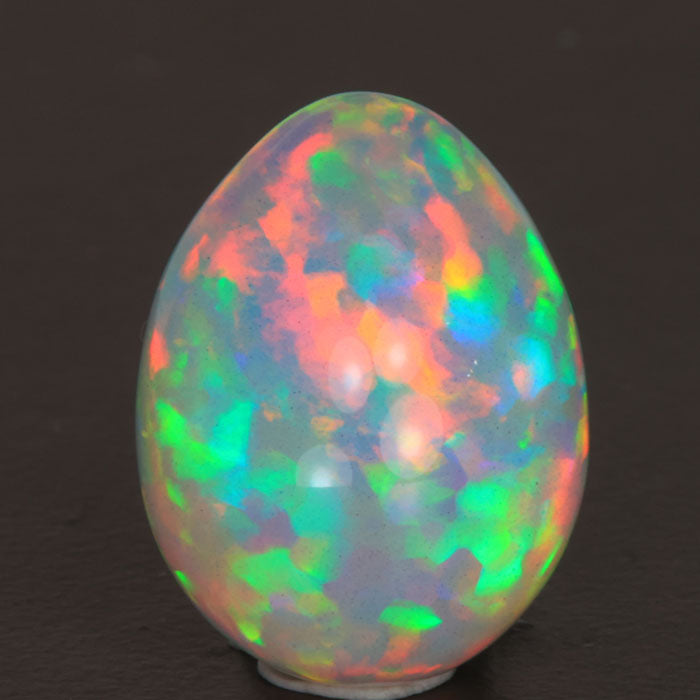
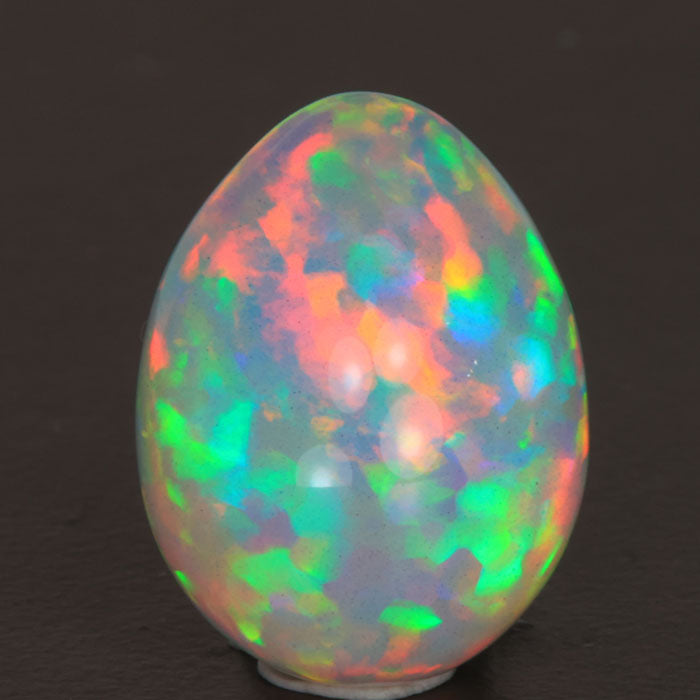
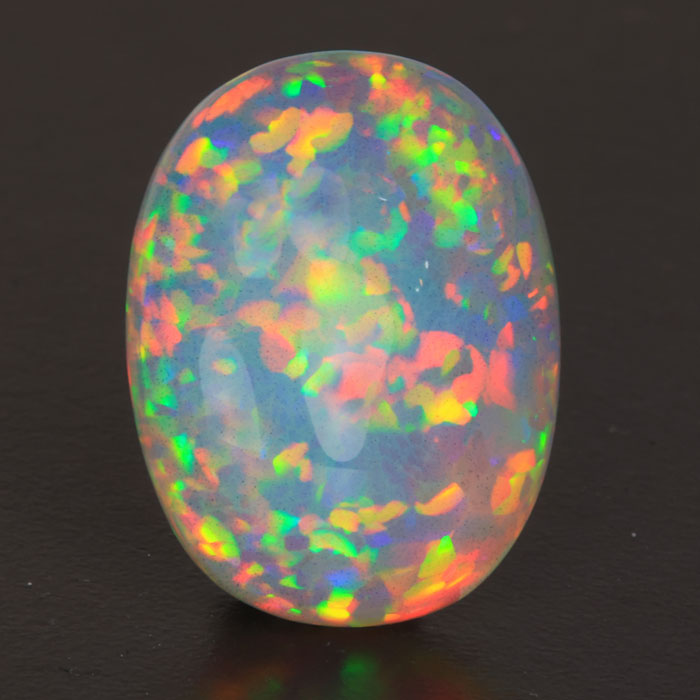
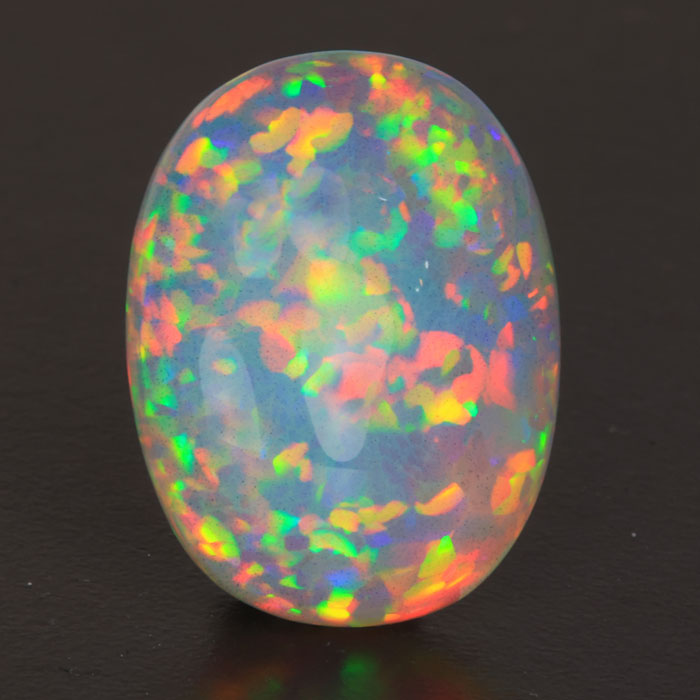
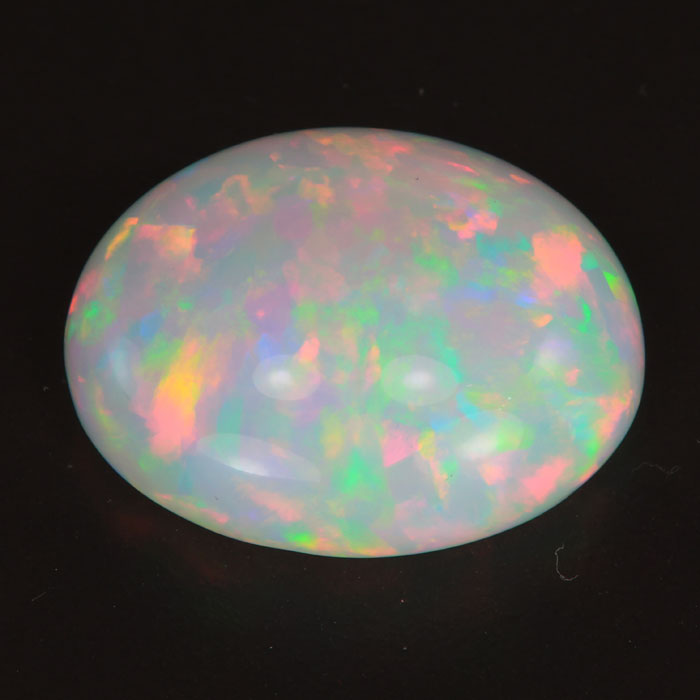
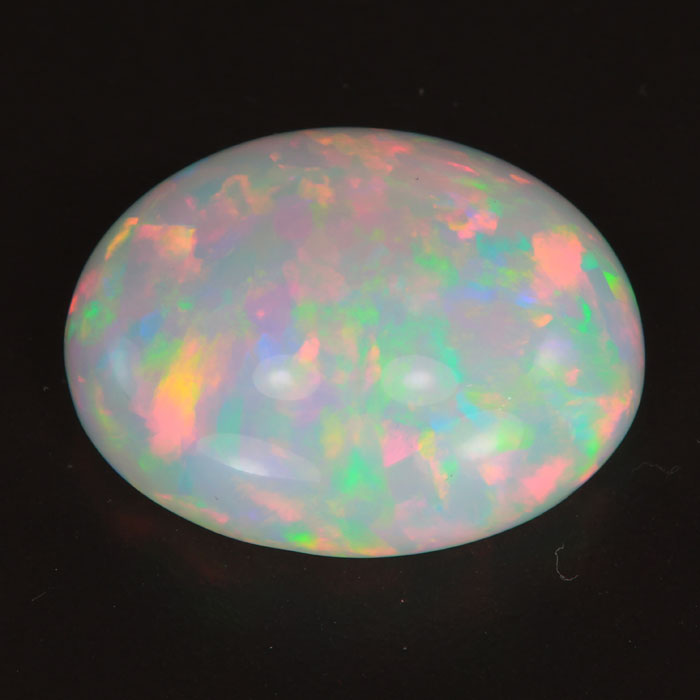
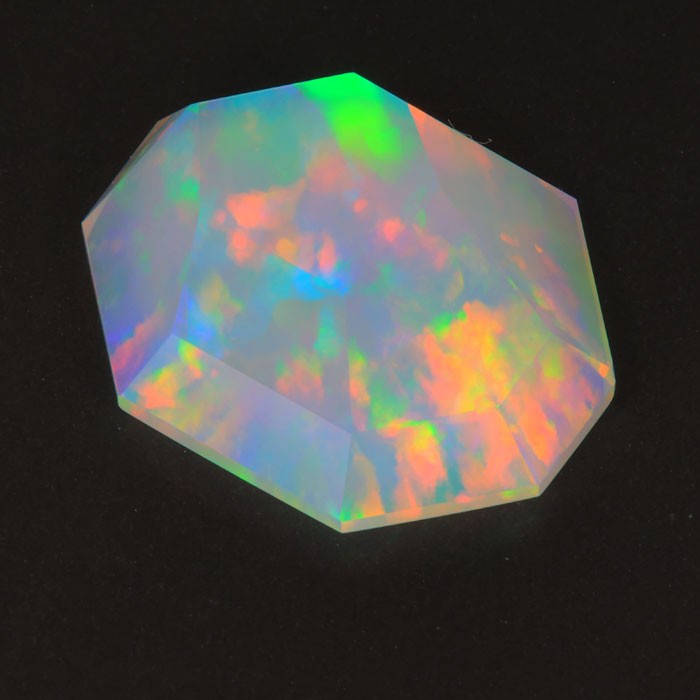
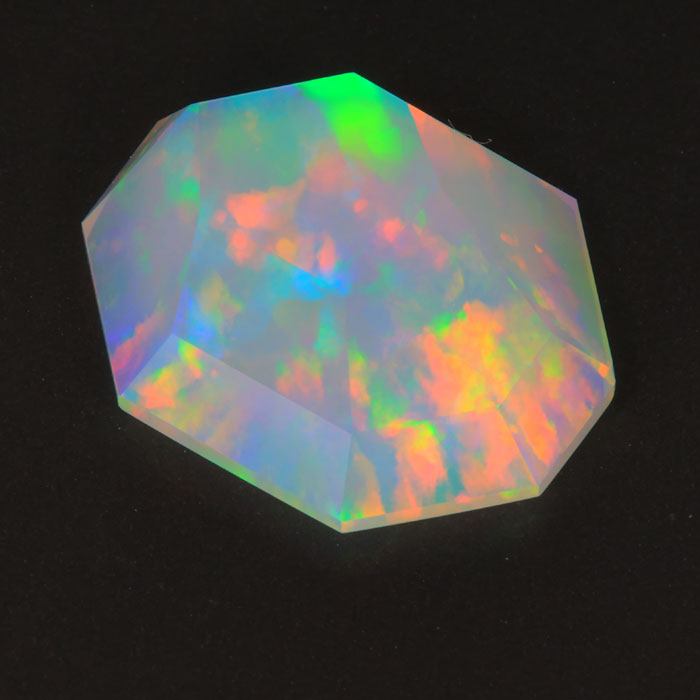
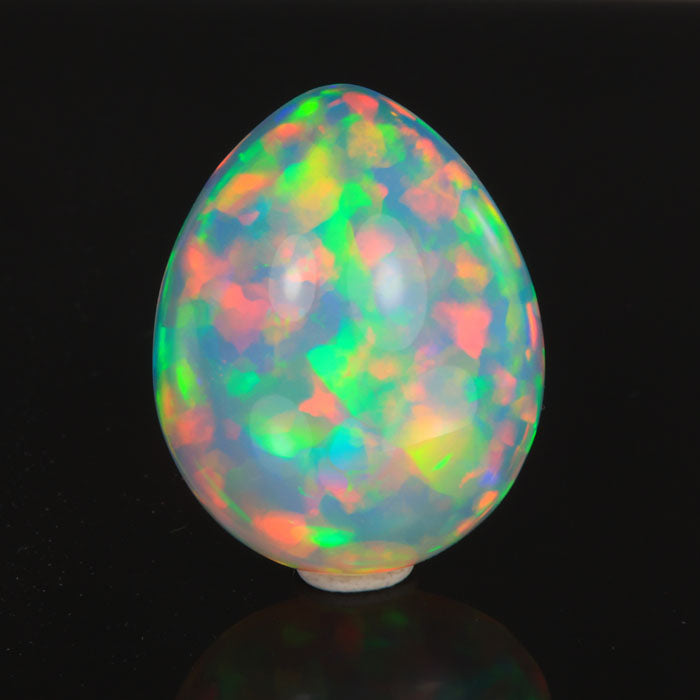
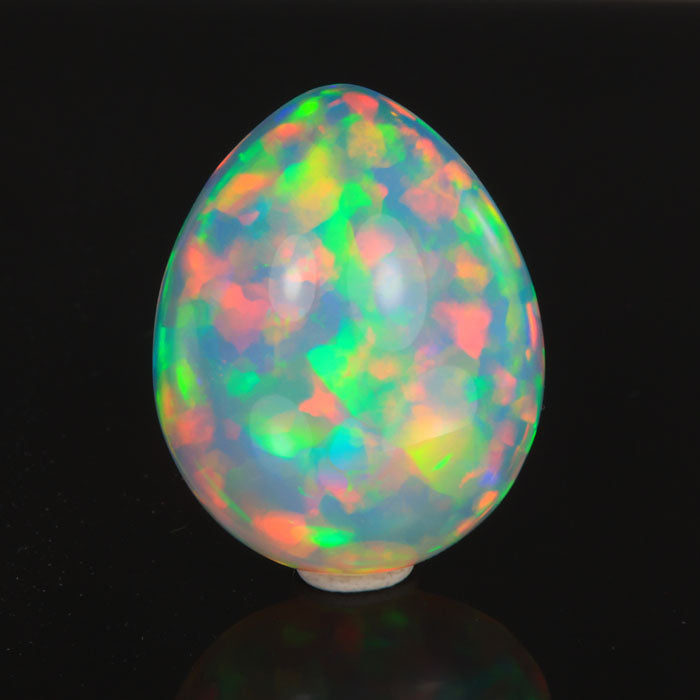
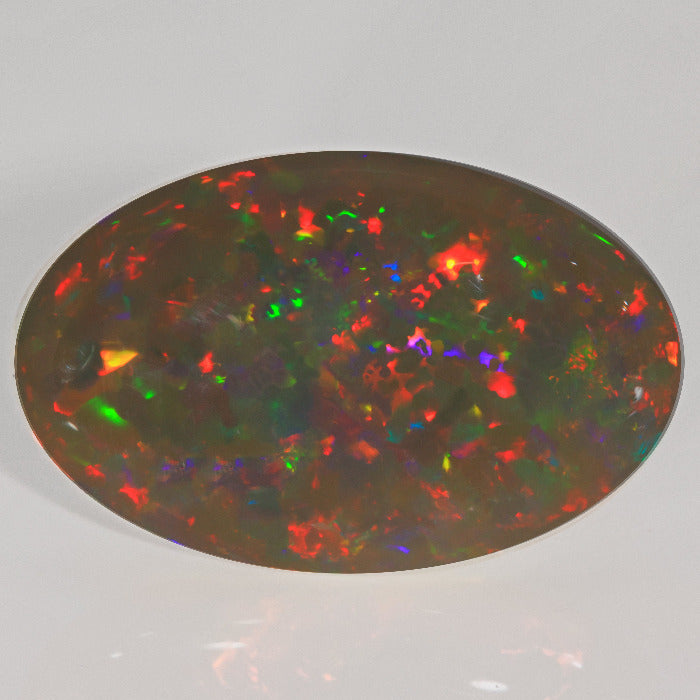
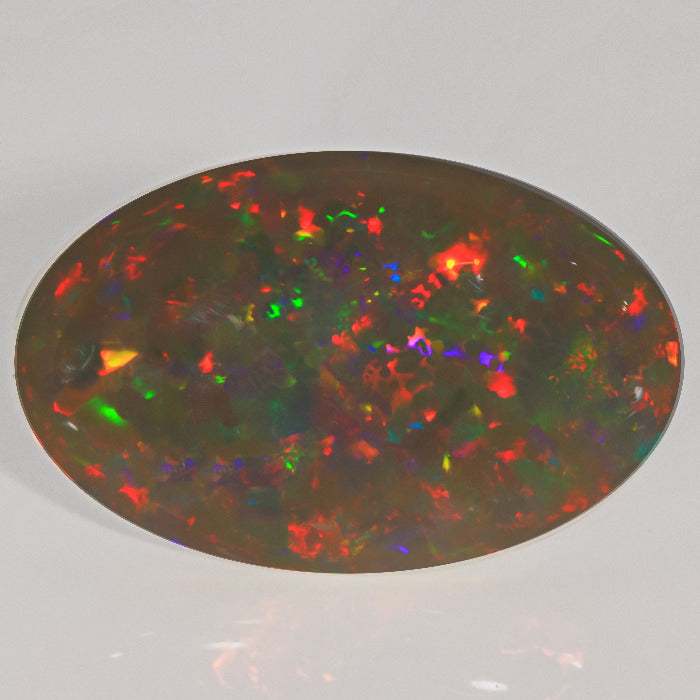
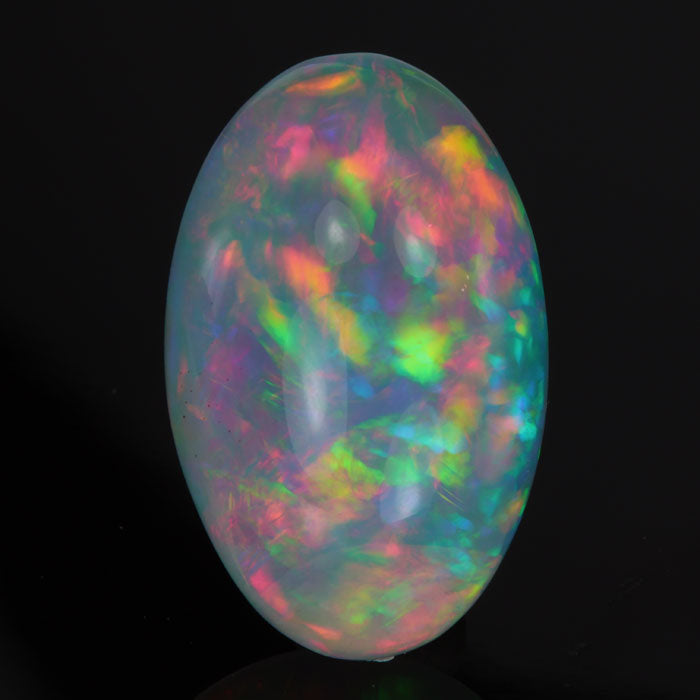
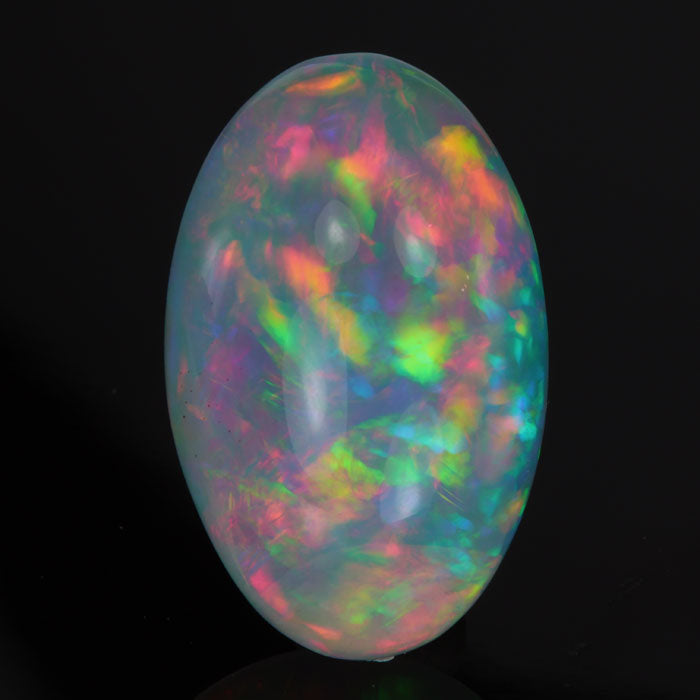
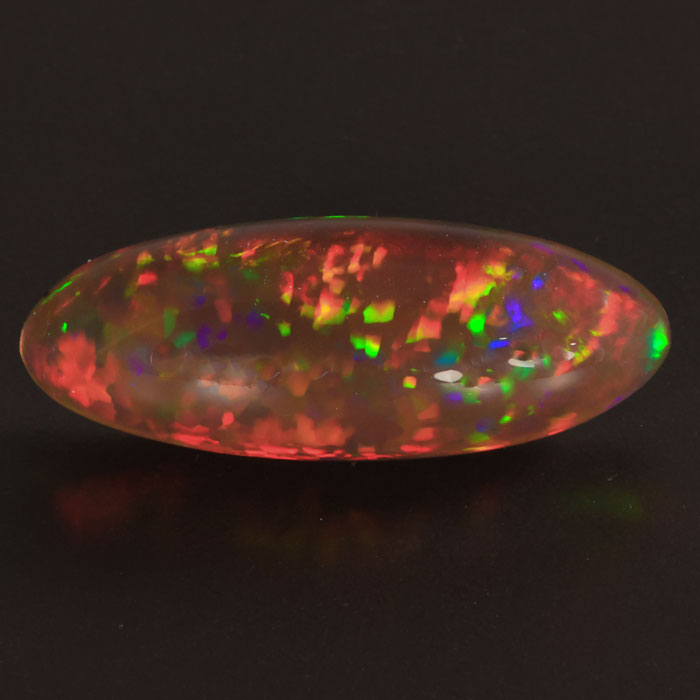
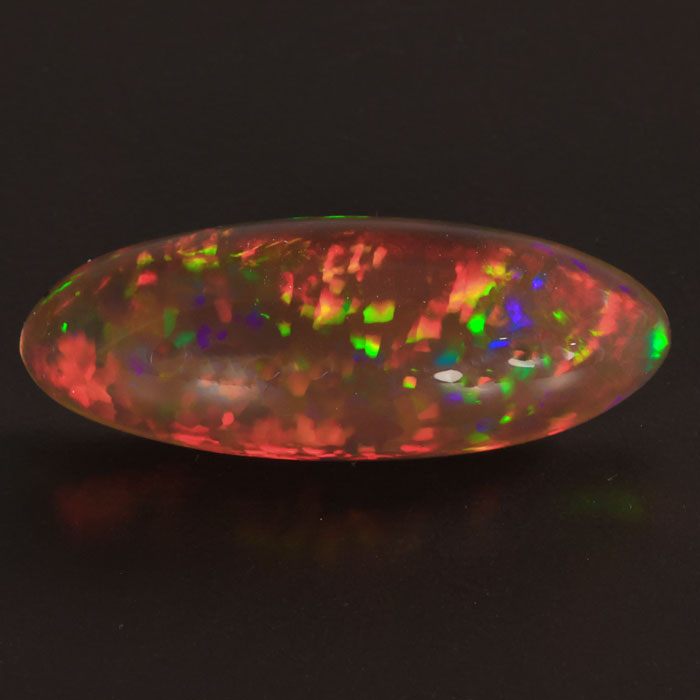
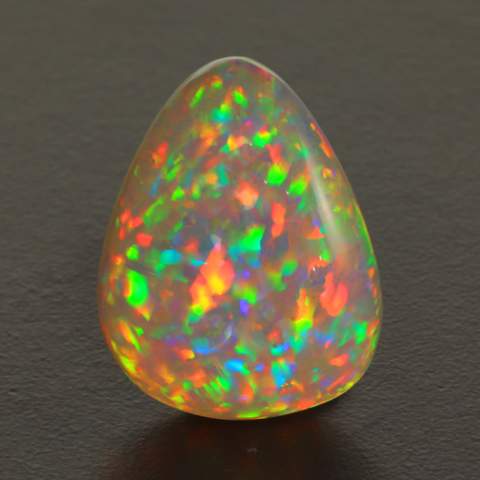
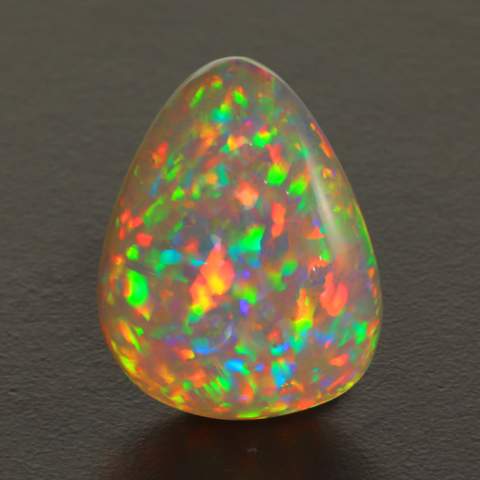
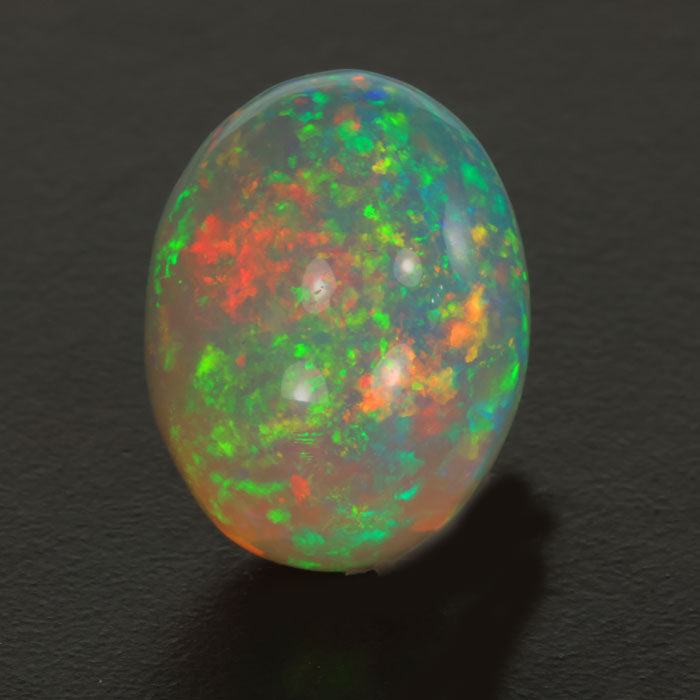
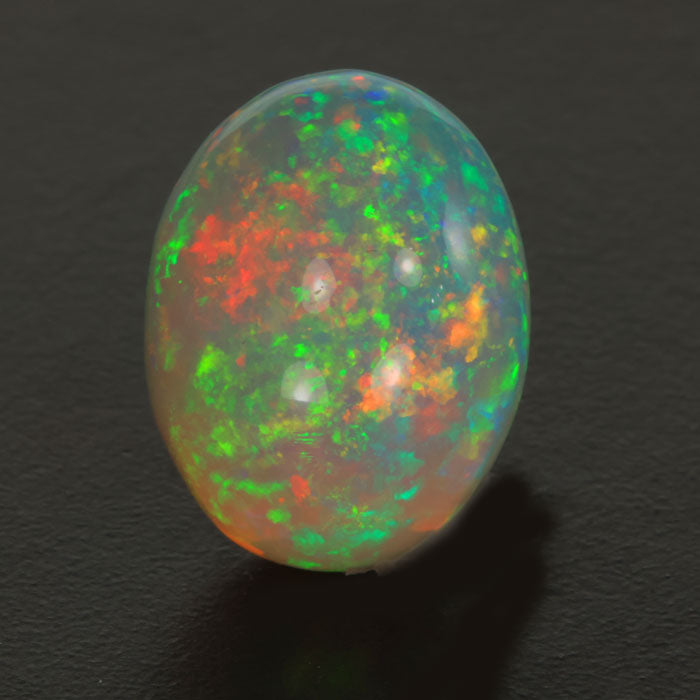
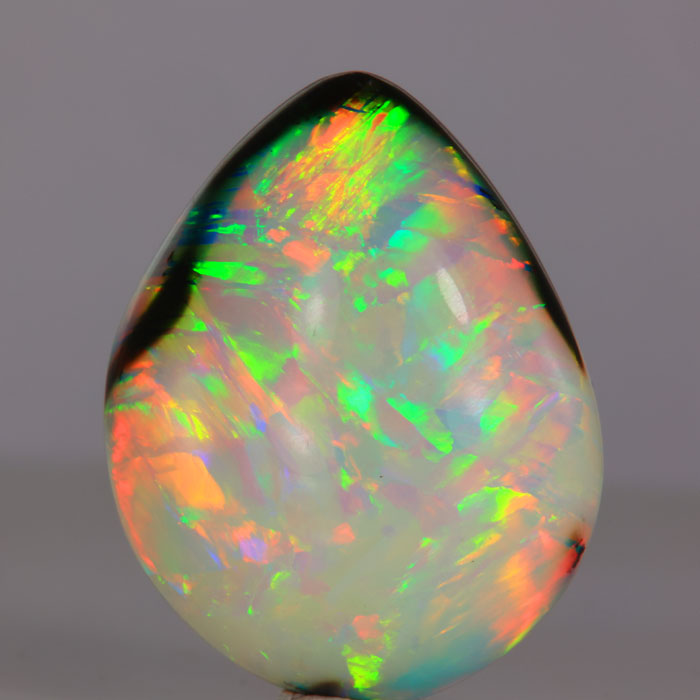
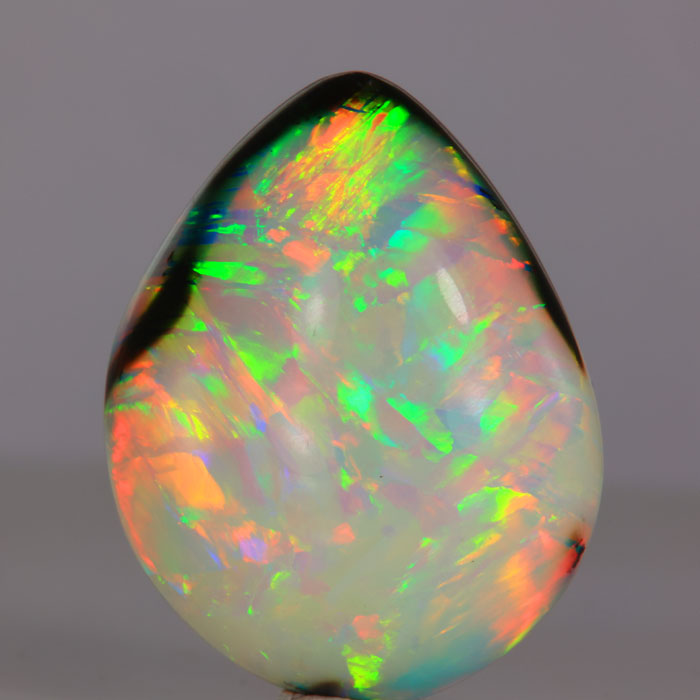
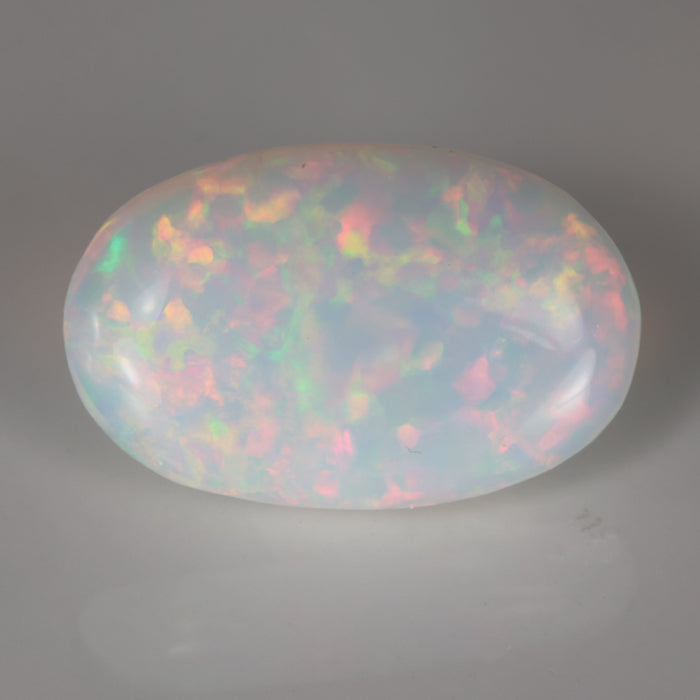
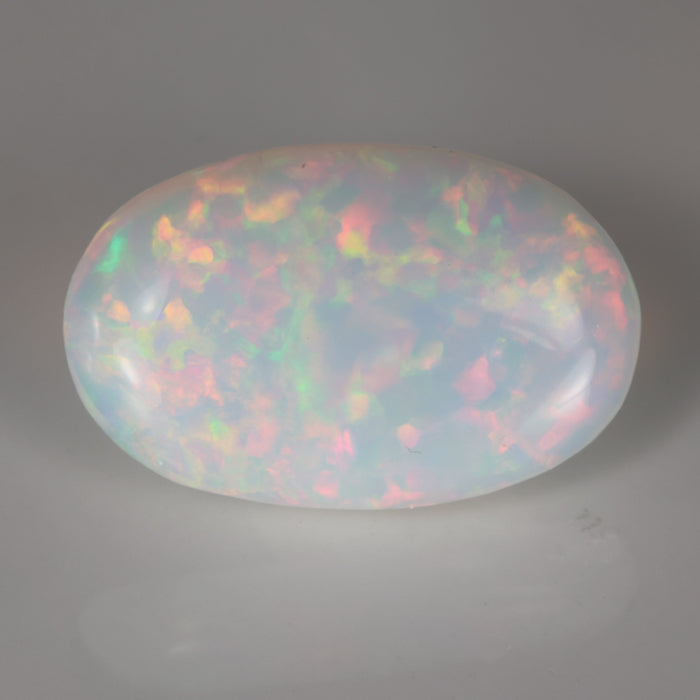
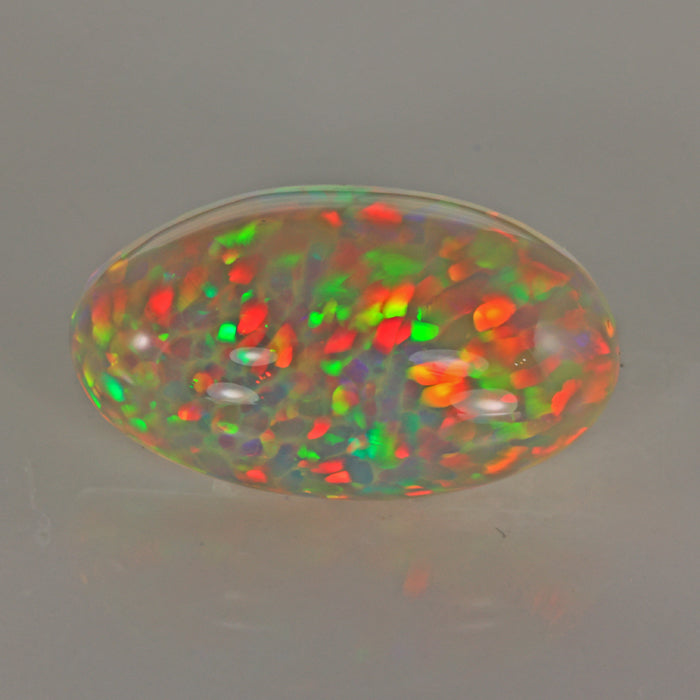
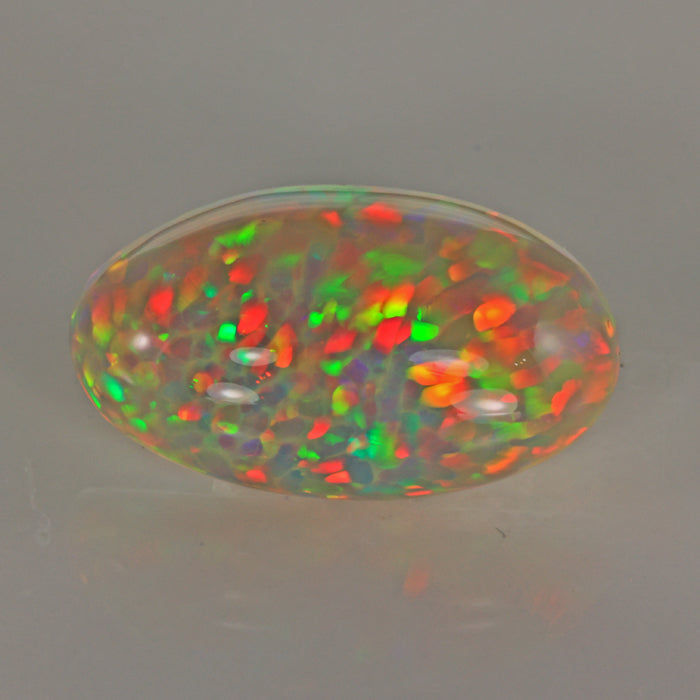
Discover a stunning collection of custom-cut Opal gemstones, expertly faceted by master gem cutter Steve Moriarty. Each piece showcases vibrant play-of-color and precision craftsmanship, making it a true work of art for collectors and jewelry designers alike.
Our primary source of opal has been Australia up until 2008 when a new supply was discovered in the Welo province of Ethiopia. This new material is a hydrophane opal that can absorb and release water making it less inclined to craze which happens to many opals as they loose their water content. More durable than Australian material this opal is available as white opal, crystal opal and occasionally black opal. The high transparency of much of this material allows us to facet it giving unique and unusual gems. Intense colors and high clarity typify this lovely opal. These are some of the largest opals we have ever owned. We have recently purchased a small lot of orange fire opal suitable for faceting and cabbing. The sizes are unusually large. Learn more about Ethiopian Opal here with our guide. Looking for something even more unique, check out our Hyalite Opal, that actually glows.
Ethiopian Opal is the perfect gemstone for elite clientele who appreciate dynamic beauty and geological rarity. Harvested from volcanic highlands in the Wollo and Shewa regions of northern Ethiopia, these opals captivate with vivid play-of-color—flashes of red, blue, green, and orange that sparkle like captured rainbows. Discovered in 2008, Welo opals have quickly emerged as a standout choice for luxury designers seeking modern masterpieces that merge artistry with nature’s brilliance. Unlike traditional Australian black opals, Ethiopian Opal offers transparent-to-translucent clarity with an ethereal, water-clear base that allows light and color to dance openly within. Each cabochon becomes a living canvas—perfect for bespoke rings, one‑of‑a‑kind necklaces, and statement earrings that turn heads with every movement. These stones bring a fresh, contemporary elegance to high-end collections and appeal to collectors seeking something both visually stunning and narratively rich.
Mineral Type: Precious opal — a hydrated amorphous silica mineraloid known for its unique play-of-color
Hardness: 5.5–6.5 Mohs — moderate; ideal for careful wear in protective, refined settings
Specific Gravity: ~1.98–2.25 — lightweight, making it suitable for intricate and wearable fine jewelry
Luster & Transparency: Vitreous to resinous with transparent to translucent clarity — showcases color play to full effect
Play-of-Color: Vibrant rainbow flashes from internal silica spheres—patterns include pinfire, flash, and harlequin, with strongest value in red/orange/green hues
Origin & Geology:
Shewa (Menz Gishe), North Shoa: First discovered in the mid‑1990s as darker “Mezezo” opals in rhyolite volcanic layers
Wollo (Wegeltena): Since 2008, the prominent source of translucent-to-white opals with vivid play-of-color, formed within volcanic ash and rhyolite plateaus
Water Content & Stability: Contains up to 10% water; while generally stable, it requires proper care to prevent dehydration or crazing
Cut Styles: Typically crafted into cabochons (ovals, rounds, freeform) to maximize color display; faceted cuts are also employed for rarer crystal opals
Distinctive Traits:
Often cut from nodules — unique geological form
Compared to Australian opal, offers lighter backgrounds and more pronounced fire at lower cost
Opal is unlike any other gem because it displays a phenomenon called play-of-color — flashes of rainbow-like hues that shift as the stone moves. This effect is caused by microscopic silica spheres diffracting light, making every opal one-of-a-kind. No two opals will ever look the same, which is why collectors and jewelry lovers value them for their individuality.
Yes, but with care. Opal ranks around 5.5–6.5 on the Mohs hardness scale, meaning it’s softer than most gemstones. Rings and bracelets should be worn with caution during activities that could cause scratching or impact, while pendants and earrings are ideal for everyday wear. Avoid exposing opals to extreme temperature changes or prolonged dryness, as this can cause cracking or “crazing.”
Opal has long been associated with creativity, passion, and emotional balance. Ancient Romans believed it symbolized hope and purity, while modern interpretations link it to inspiration and confidence. Many people choose opal jewelry for its mystical beauty and the belief that it amplifies the wearer’s personal energy.