Tourmaline Gems Hand Selected by Steve & Michael Moriarty
Immerse yourself in the vibrant beauty of tourmaline gemstones, each one hand-selected and expertly cut by Steve Moriarty and the artisans at Moriarty’s Gem Art. Known for its dazzling range of colors—from deep forest greens and rich rubellites to neon Paraíba blues—tourmaline is one of nature’s most versatile and captivating gems.
Tourmaline




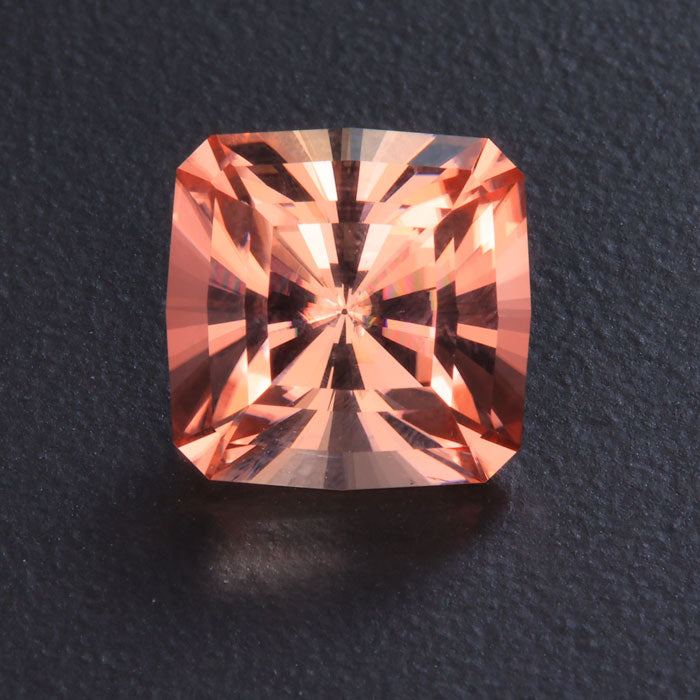
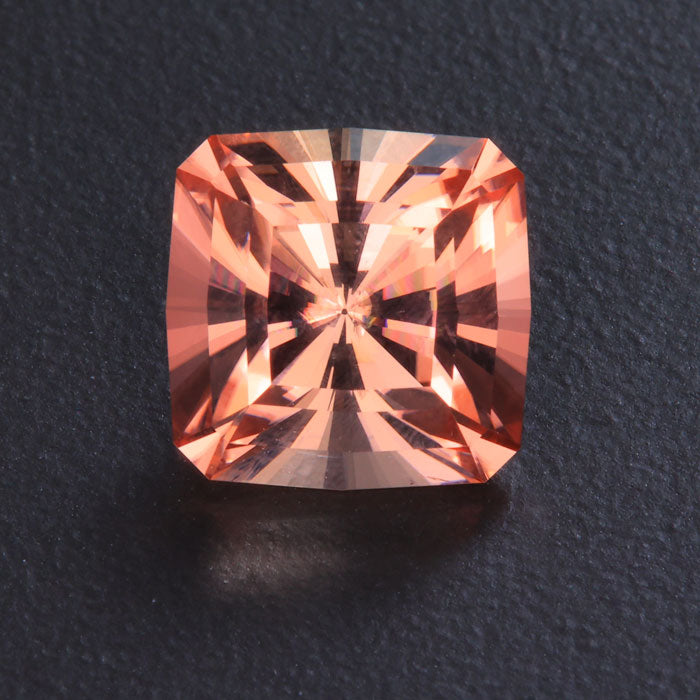


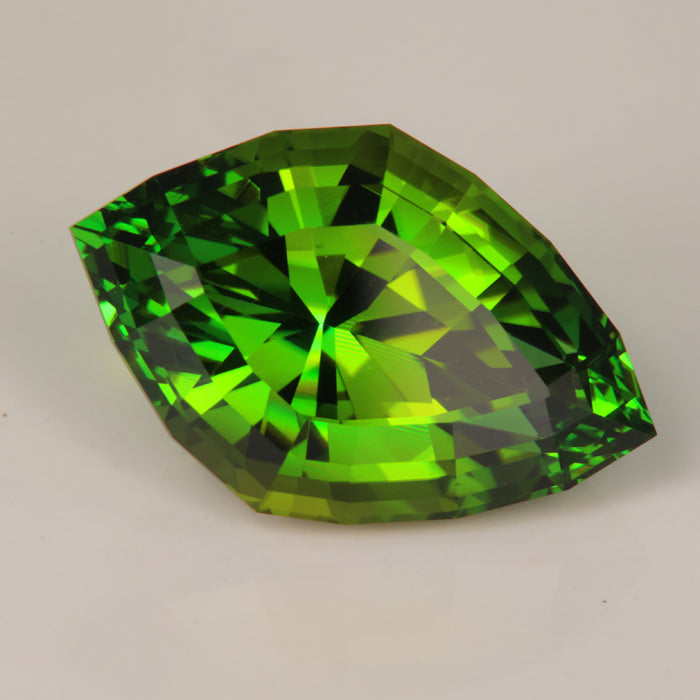
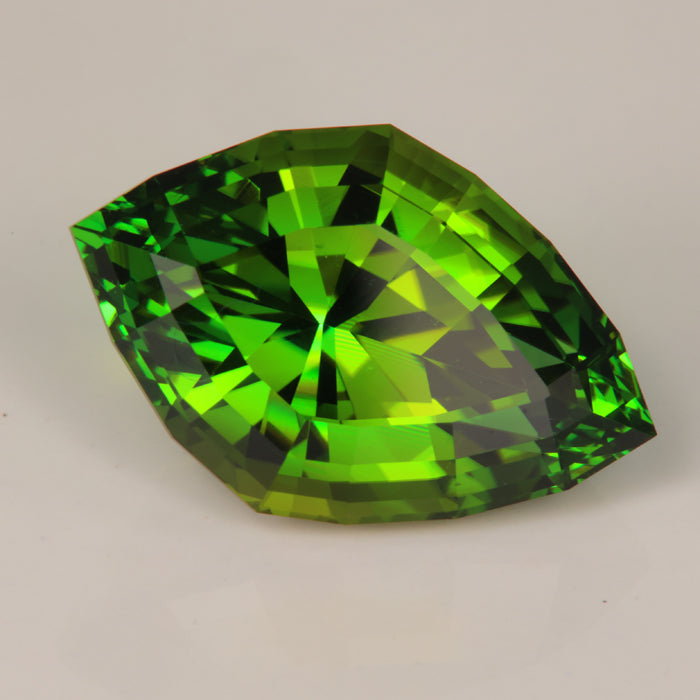
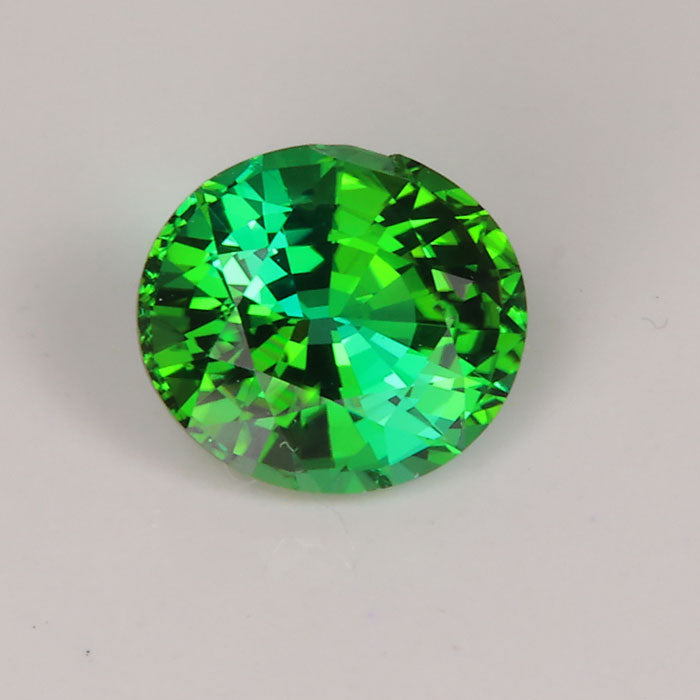
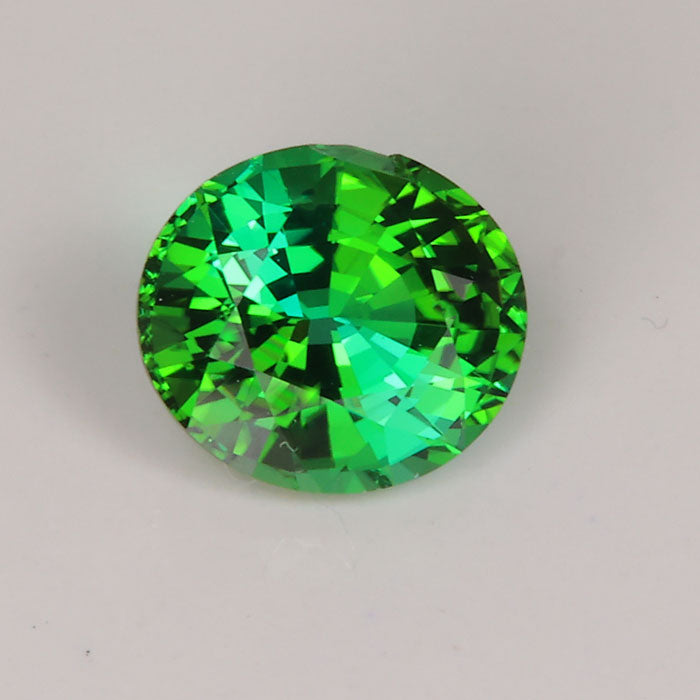
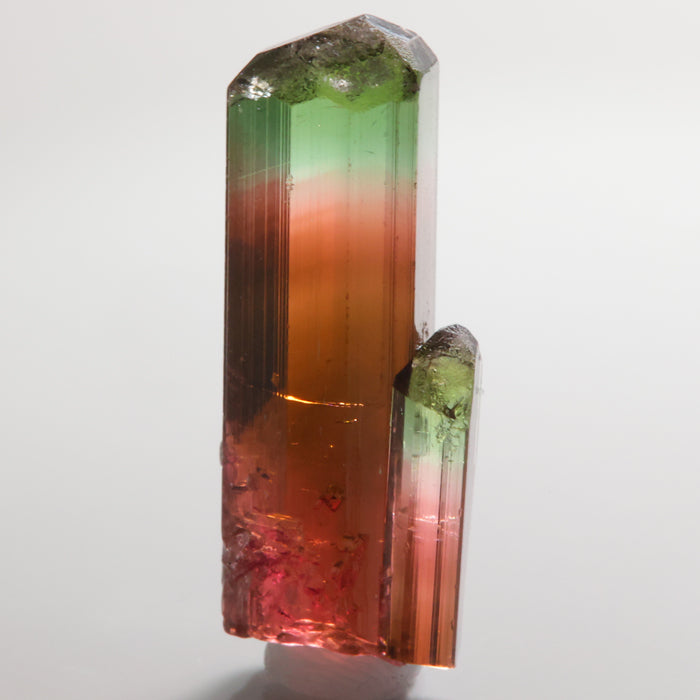
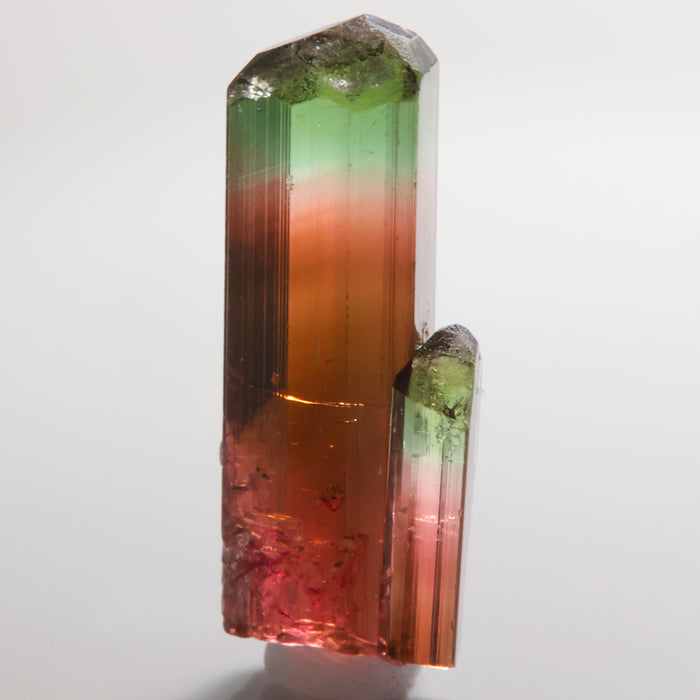
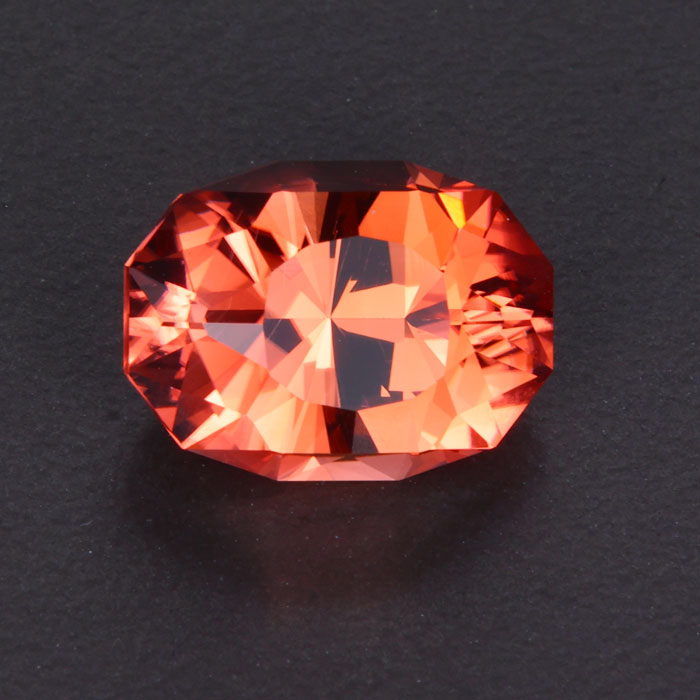
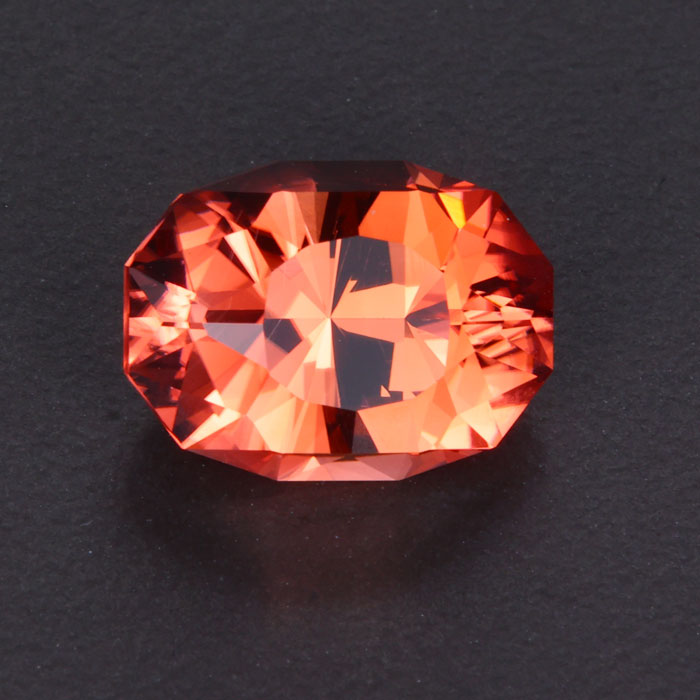
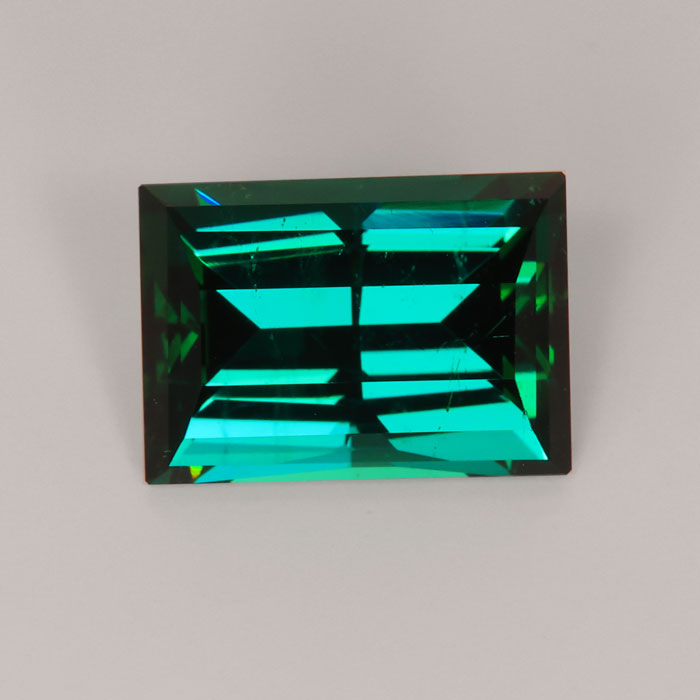
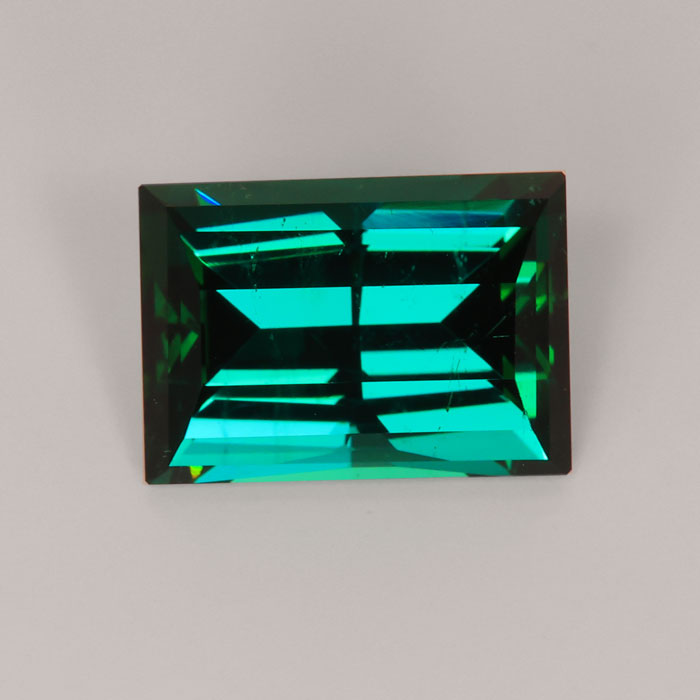
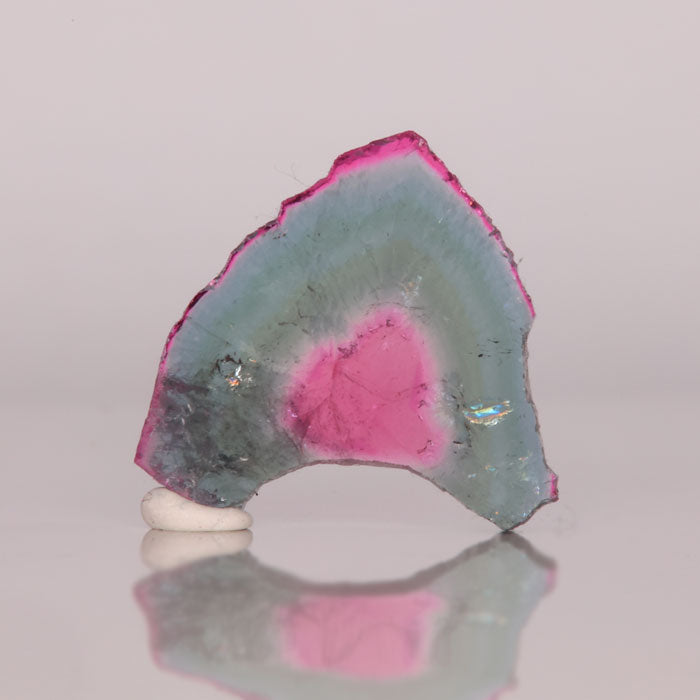
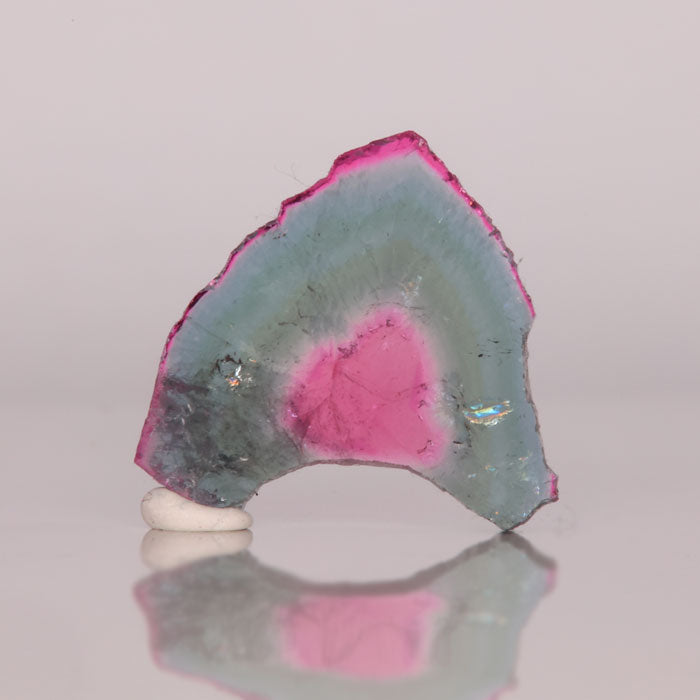


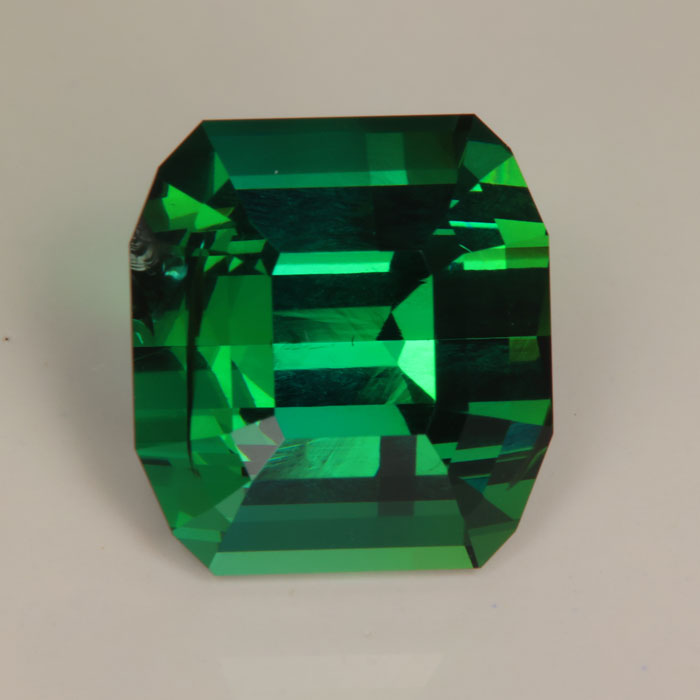
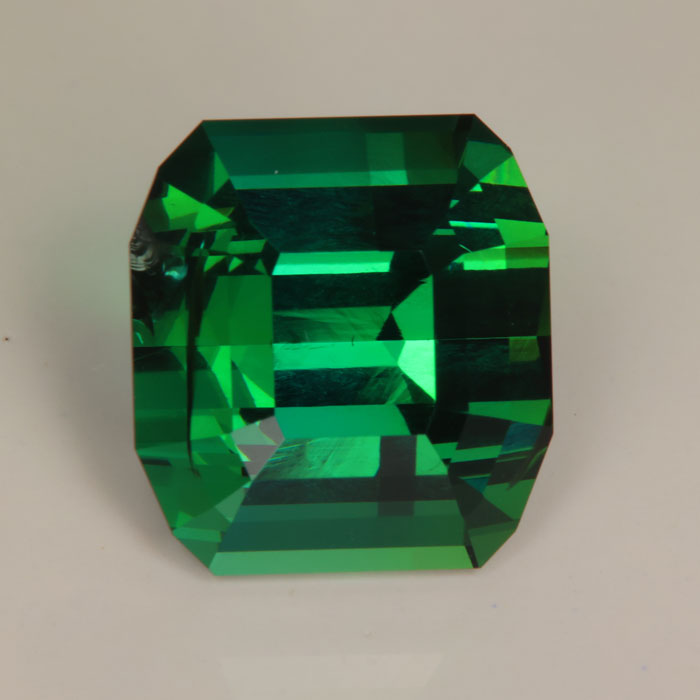


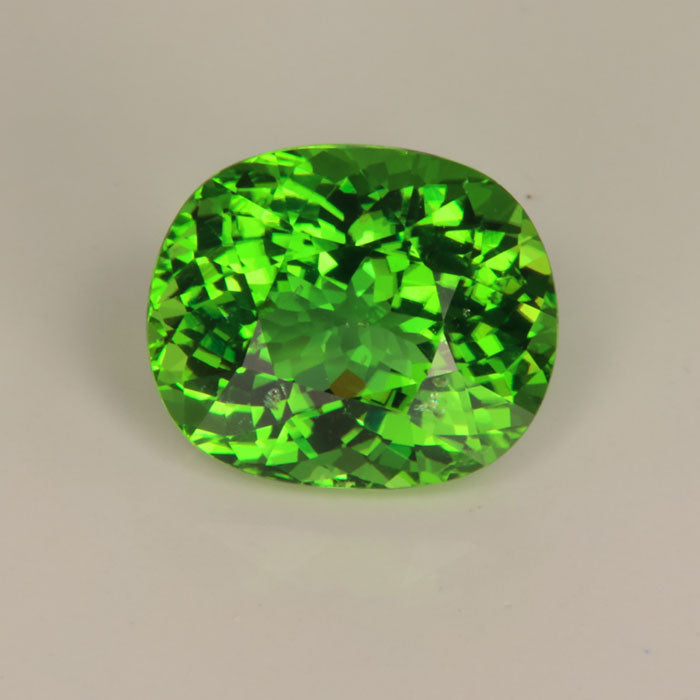


Few gemstones offer the variety you'll find in tourmaline. Tourmaline gemstones occur in an extraordinary range of colors, including pink, green, red, blue, peach, yellow and combinations of two or more colors within a single crystal. That's one reason tourmaline has long been a favorite gemstone of our family—you can build an entire collection of tourmalines without having two stones that look exactly alike.
Our collection focuses on loose natural tourmaline gemstones, including stones cut by Steve and Larry Moriarty and other members of our gem-cutting team. Instead of purchasing finished stones strictly from suppliers, we have spent decades buying rough gemstones and cutting many of the tourmalines you'll find here ourselves. That gives us the opportunity to decide how each piece of rough should be oriented and cut to bring out its best color, brilliance and personality.
Tourmaline Colors
Tourmaline has one of the broadest color ranges of any gemstone. GIA notes that tourmaline occurs across an exceptionally wide range of hues, tones and saturations.
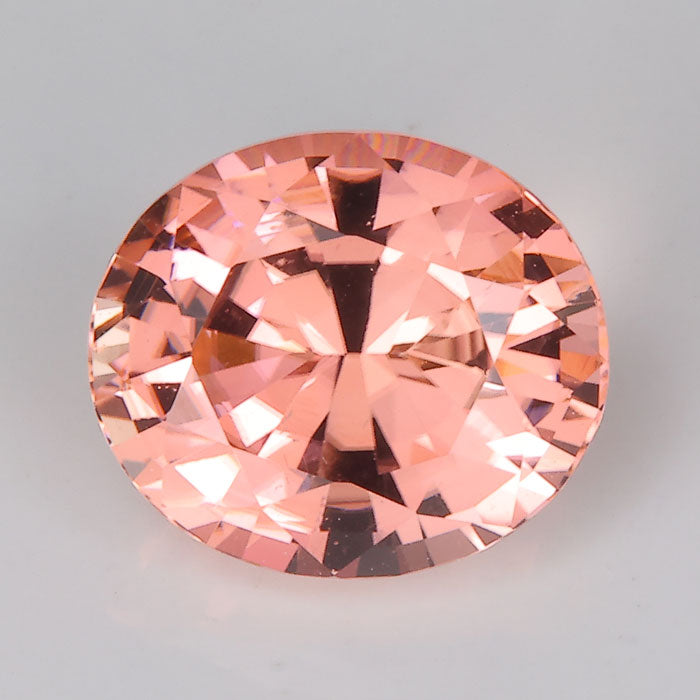
Some of the tourmaline colors and varieties you may find in our collection include pink tourmaline, green tourmaline, rubellite or red tourmaline, blue tourmaline, chrome tourmaline, peach tourmaline, bi-color tourmaline and watermelon tourmaline.
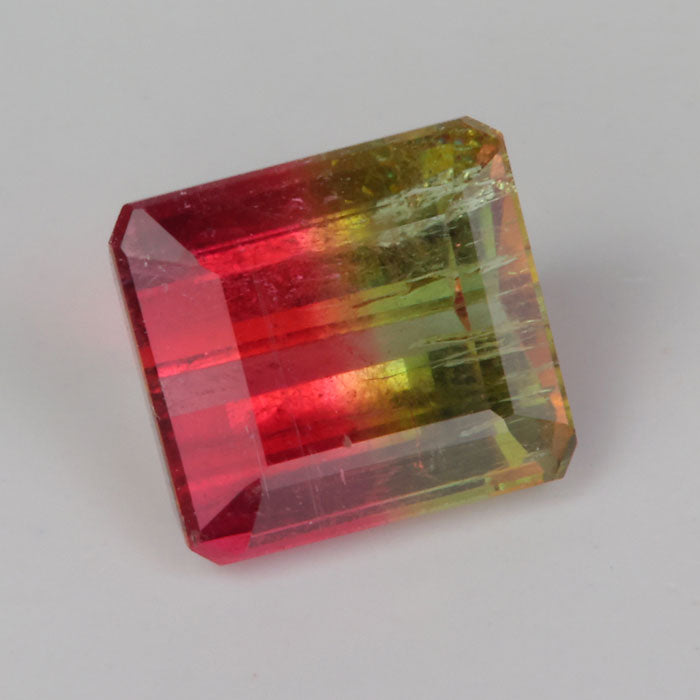
Pink and green are two of the colors most commonly associated with tourmaline, but some of the most interesting stones don't fit neatly into a single color category. A tourmaline crystal can contain multiple areas of color, producing spectacular bi-color and multi-color gemstones.
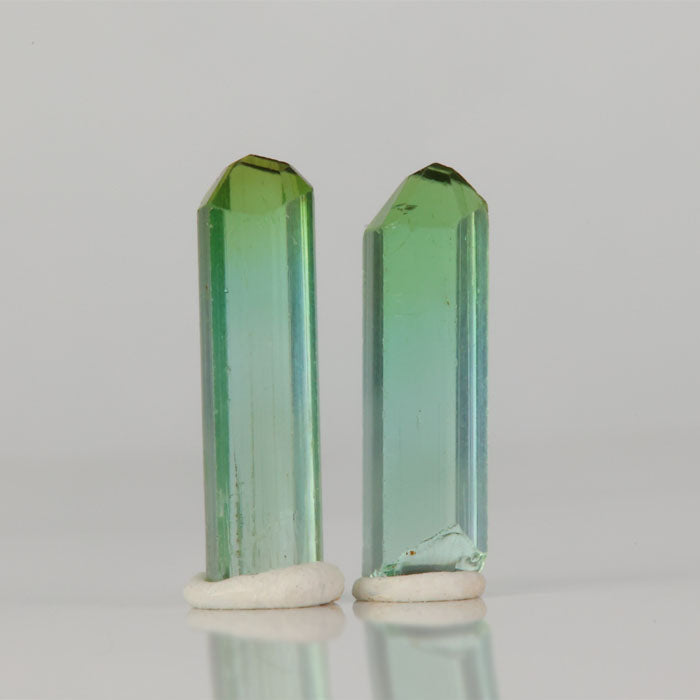
Watermelon tourmaline is probably the best-known example, traditionally displaying pink or reddish-pink with green. Other crystals may transition from green to blue, pink to green, colorless to pink or combinations that are difficult to describe with a single color name.
That's part of what makes shopping for tourmaline gemstones so much fun.
What Makes a Good Tourmaline Gemstone?
With tourmaline, color is usually the first thing we look at, but it isn't the only consideration. Saturation, tone, clarity, cut and carat weight all influence the appearance and value of a finished gemstone.
A darker tourmaline isn't automatically a better tourmaline. In fact, some rough has so much color that an experienced cutter has to carefully consider its orientation to keep the finished gemstone from becoming too dark. GIA notes that cutters may change the orientation of a tourmaline specifically to lighten darker material or strengthen the appearance of lighter-colored rough.
That's where cutting becomes particularly important.
Cutting Tourmaline Is About More Than Carat Weight
Tourmaline crystals often grow in elongated shapes, which is one reason you'll see many elongated finished tourmaline gemstones. But simply following the shape of the rough isn't always the best way to produce the most beautiful gemstone.
When we cut tourmaline, we're looking at the rough first.
Where is the best color? Which direction produces the most attractive face-up appearance? Is there zoning we want to emphasize? Can an inclusion be removed without sacrificing too much of the stone? Will the finished gem become too dark if it's oriented one way instead of another?
Sometimes the best decision means sacrificing weight to produce a brighter, more attractive finished gemstone.
That's one of the biggest differences between shopping for a tourmaline simply by carat weight and looking at a gemstone that has been individually evaluated and cut.
Popular Types of Tourmaline
There are several tourmaline varieties and trade names you'll encounter while shopping.
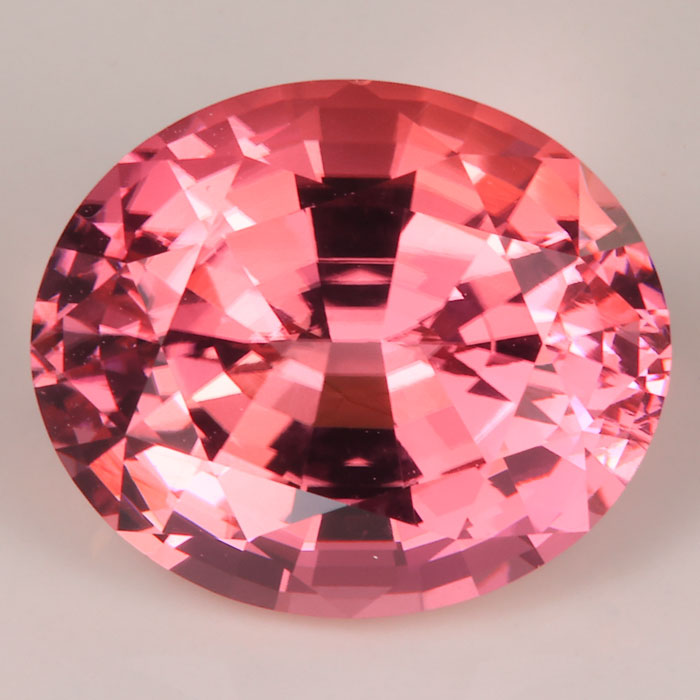
Pink Tourmaline ranges from delicate pastel pink to vivid hot pink.
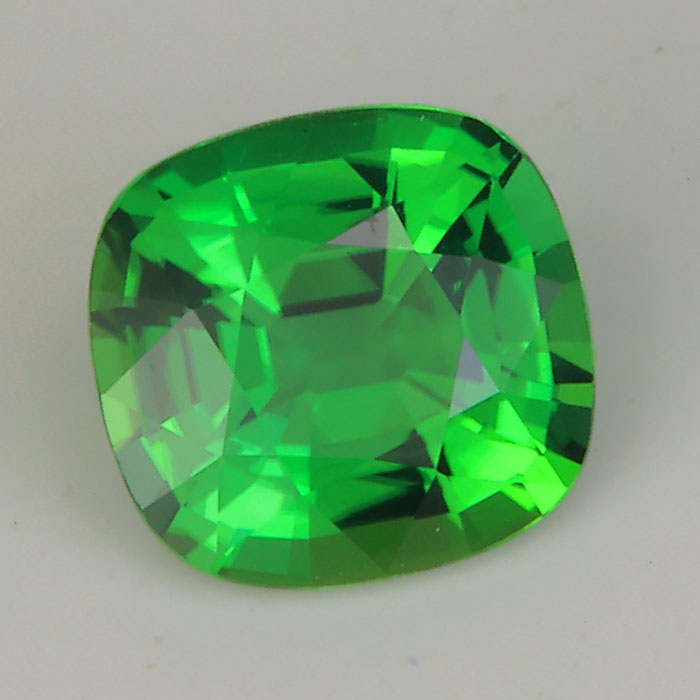
Green Tourmaline can range from light mint and yellowish-green to rich forest, teal and blue-green colors.
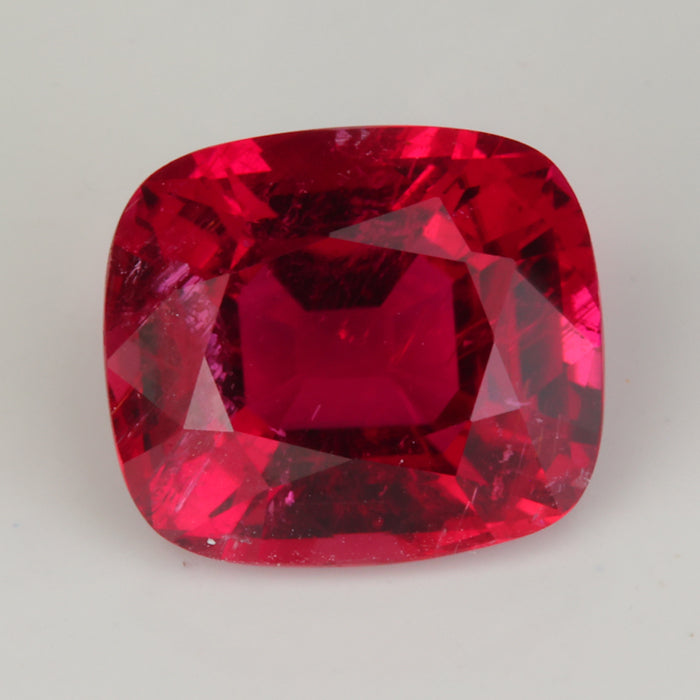
Rubellite Tourmaline is prized for intense red, pinkish-red and purplish-red colors.
Blue Tourmaline, sometimes called indicolite, can range from blue-green to more distinctly blue colors.
Chrome Tourmaline is known for its intense green color and is among the more distinctive green varieties.
Bi-Color Tourmaline contains two visibly different colors within the same gemstone.
Watermelon Tourmaline is a particularly recognizable multi-color variety associated with pink/red and green color zoning.
Tourmaline can also occur in peach, yellow, black and numerous colors that fall somewhere between the traditional categories. Its variable chemistry is responsible for this unusually broad range of colors.
Where Does Tourmaline Come From?
Gem-quality tourmaline is found in numerous locations around the world. Depending on availability, our collection may include tourmalines originating from countries such as Brazil, Mozambique, Nigeria, Tanzania and Afghanistan, among other sources.
Origin can make a gemstone more interesting, but we don't recommend choosing a tourmaline based on location alone. Color, cut, clarity and the overall beauty of the individual stone matter more to us than simply having a famous origin attached to it.
Loose Tourmaline Gemstones for Custom Jewelry
The stones on this page are offered as loose tourmaline gemstones, which gives you an opportunity we particularly like: choose the gemstone before designing the jewelry.
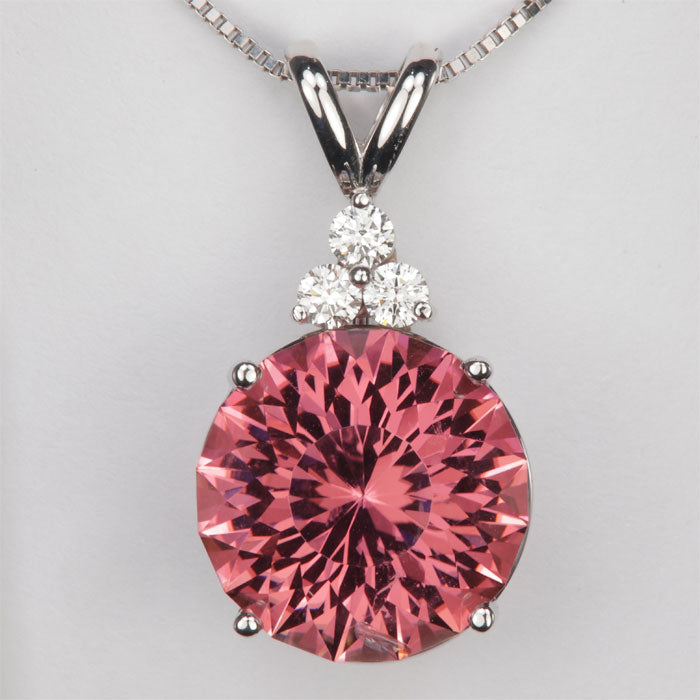
Instead of starting with a standard mounting and searching for a stone that fits it, you can find the tourmaline you love first. Our family can then design a custom tourmaline ring, pendant or other piece of jewelry around the exact shape, dimensions and color of your gemstone.
This approach works especially well with tourmaline because so many stones have unusual shapes, colors and cutting styles that deserve to remain the focal point of the finished piece.
Shop Our Tourmaline Gemstones
Explore our current selection of loose tourmaline gemstones above. You'll find everything from traditional pink and green tourmalines to rubellite, chrome, bi-color, watermelon and unusual colors that don't fit neatly into a category.
Since many of these are individually selected and cut gemstones, when a particular stone sells, we may never have another one exactly like it.
Want to learn even more about tourmaline, including color, quality and what to look for when buying one? See our Tourmaline Guide here.
Popular Tourmaline Questions
Heading
What makes tourmaline gemstones special?
Tourmaline is prized for its incredible color variety—no other gemstone family offers such a broad spectrum. From electric pinks and neon greens to vivid blues and multi-colored “watermelon” stones, tourmaline’s diversity and brilliance make it a favorite among collectors and jewelry designers alike.
Why do some tourmalines show multiple colors?
This phenomenon occurs naturally as the crystal forms under changing temperature and chemical conditions. The most famous example is Watermelon Tourmaline, which displays a pink core surrounded by green—just like a slice of watermelon. Each multicolor gem is completely unique.
Is tourmaline durable for everyday wear?
Yes. Tourmaline ranks 7 to 7.5 on the Mohs hardness scale, making it suitable for rings, pendants, and earrings. However, because it can have natural inclusions, care should be taken to avoid sharp impacts or exposure to extreme heat.
What is the meaning or symbolism of tourmaline?
Tourmaline is often associated with balance, protection, and creativity. Each color carries its own energy—green is said to attract prosperity, pink inspires love and compassion, and black tourmaline is believed to shield against negativity.