
Bi Color / Tri Color Gemstones


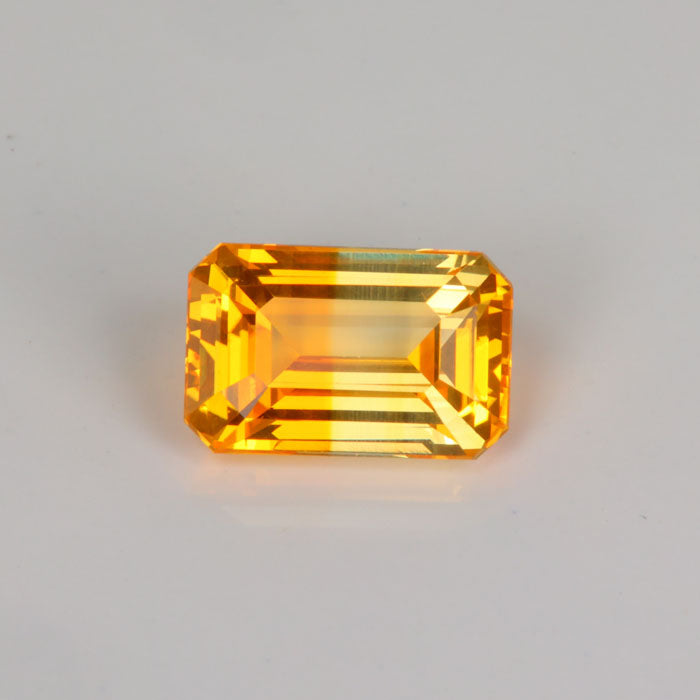
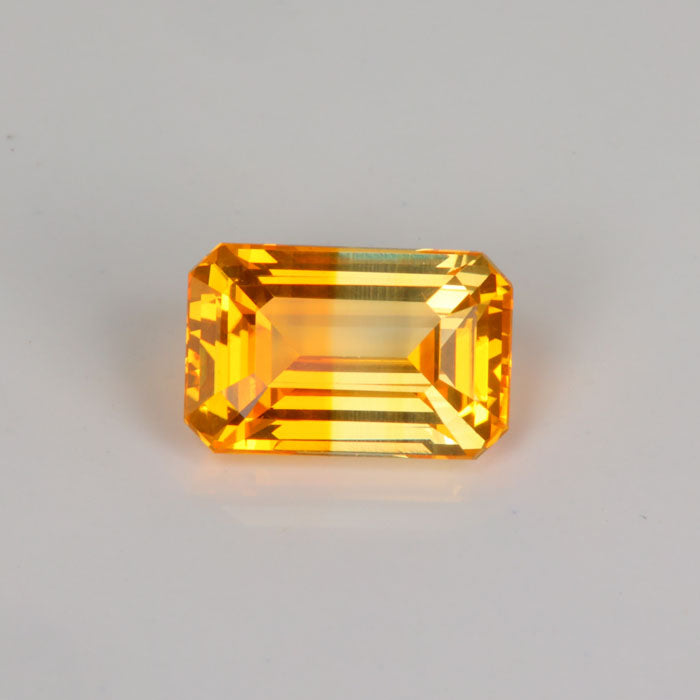
Bi-Color & Tri-Color Gemstones – Two or More Colors in One Natural Gemstone
Discover the extraordinary beauty of natural bi-color and tri-color gemstones at Moriarty's Gem Art. These remarkable gemstones display two or more distinct colors within a single stone, creating fascinating combinations of color that make each gemstone truly unique. From blue and yellow sapphires to stunning green and pink tourmalines, multi-colored gemstones showcase some of nature's most captivating color patterns.
Explore our collection of loose bi-color and tri-color gemstones for sale, including exceptional sapphires, Brazilian tourmalines, and Nigerian beryl. Whether you're searching for a rare collector's gemstone, an unusual engagement ring center stone, or a spectacular gemstone for custom jewelry, these naturally colorful gems offer exceptional individuality and beauty.
What Is a Bi-Color Gemstone?
A bi-color gemstone is a gemstone that displays two distinct colors or color regions within a single crystal. These colors typically develop naturally during crystal formation as changes in chemical composition, trace elements, or growth conditions influence the gemstone's appearance.
Unlike gemstones that display different colors depending on the viewing angle or lighting conditions, bi-color gemstones generally exhibit separate areas of color within the same stone.
Some bi-color gemstones display sharply defined boundaries between colors, while others feature gradual transitions that blend beautifully from one hue to another.
Gemstones such as sapphire, tourmaline, and beryl can exhibit natural color zoning, making them particularly interesting to gemstone collectors and jewelry enthusiasts.
What Is a Tri-Color Gemstone?
A tri-color gemstone displays three distinct colors or color zones within a single gemstone.
These unusual stones can feature combinations of colors that developed during different stages of crystal growth. Depending on the gemstone variety and cutting orientation, the colors may appear in bands, sections, or more complex patterns.
Tri-color tourmalines are particularly well known for their fascinating combinations of green, pink, and other hues.
Because the placement and intensity of each color vary naturally, no two tri-color gemstones look exactly alike.
What Makes Bi-Color & Tri-Color Gemstones Special?
Multi-colored gemstones are admired for several distinctive characteristics:
-
Naturally Occurring Color Combinations: Two or more colors develop within a single crystal, creating beautiful and sometimes unexpected combinations.
-
Unique Individuality: Each gemstone features its own color distribution, boundaries, and patterns.
-
Exceptional Collector Appeal: Well-defined and attractive color zoning can make certain bi-color and tri-color gemstones especially desirable.
-
Artistic Cutting Possibilities: Skilled gemstone cutters can orient a stone to showcase contrasting colors or create interesting transitions between hues.
-
Distinctive Jewelry Designs: Multi-colored gemstones make striking centerpieces for engagement rings, pendants, and one-of-a-kind jewelry.
-
Beautiful Color Variety: Depending on the gemstone, combinations may include blue and yellow, pink and green, purple and yellow, or other attractive hues.
Explore Our Bi-Color & Tri-Color Gemstone Collection
At Moriarty's Gem Art, we offer a distinctive selection of natural multi-colored gemstones from notable gemstone-producing regions around the world.
Bi-Color Sapphires
Bi-color sapphires are among the most fascinating varieties of natural sapphire. These gemstones can display two distinct colors within a single crystal, often creating beautiful combinations of blue, yellow, green, or other hues.
The contrasting colors develop naturally as the sapphire crystal forms, producing distinctive color zoning that can be emphasized through careful gemstone cutting.
Our collection includes bi-color sapphires in elegant oval and emerald cuts, with examples from Madagascar.
Some feature beautiful combinations of blue and yellow, while others display more subtle color transitions.
Because sapphire has a Mohs hardness of 9, bi-color sapphires are excellent choices for engagement rings and fine jewelry intended for regular wear.
Bi-Color Tourmalines
Bi-color tourmaline is especially admired for its remarkable range of colors and beautiful natural zoning.
Tourmaline crystals can develop multiple colors during growth, creating combinations such as green and pink, green and yellow, or other distinctive transitions.
Our collection features impressive emerald cut bi-color tourmalines from Brazil, including exceptional larger gemstones.
One particularly remarkable example is our 30.88-carat Brazilian bi-color tourmaline, which offers substantial size and an opportunity to appreciate the natural beauty of multi-colored tourmaline.
Larger bi-color tourmalines can make extraordinary collector's gemstones or spectacular centerpieces for custom pendants and statement rings.
Bi-Color Beryl
Beryl is a fascinating mineral family that includes well-known gemstones such as emerald, aquamarine, morganite, and heliodor.
Certain beryl crystals can display more than one color, creating unusual bi-color gemstones with distinctive natural color zoning.
Our collection includes a beautiful 5.87-carat emerald cut bi-color beryl from Nigeria.
The combination of unusual coloring and elegant geometric faceting makes bi-color beryl particularly interesting for gemstone collectors and individuals seeking something beyond traditional gemstone varieties.
Tri-Color Tourmaline & Other Multi-Colored Gemstones
Tri-color tourmaline is one of the best-known examples of gemstones displaying three colors within a single crystal.
Some tourmalines feature green outer areas surrounding a pink or reddish center, a combination commonly associated with watermelon tourmaline.
Other multi-colored tourmalines may display three different color regions along the length of a crystal.
These gemstones are particularly attractive when carefully cut to showcase their natural color transitions.
Our inventory changes as new and unusual gemstones become available, so be sure to explore our current selection of bi-color and tri-color gemstones.
How Do Bi-Color Gemstones Form?
The fascinating colors found in bi-color gemstones are the result of natural geological processes.
As a gemstone crystal grows, changes in its surrounding environment can influence its chemical composition and color.
Trace elements incorporated during different growth stages may create distinct regions of color within the same crystal.
For example, changes in the availability of coloring elements during tourmaline formation can produce different color zones as the crystal grows.
In sapphires, variations in trace elements and color-producing mechanisms can create contrasting blue, yellow, or other colored regions.
These natural growth patterns are part of what makes multi-colored gemstones so fascinating.
Bi-Color vs. Color-Change Gemstones
Although both types of gemstones can display multiple colors, bi-color and color-change gemstones are fundamentally different.
Bi-Color Gemstones: Display two distinct colors or color zones wi

